
A repurposed ceramic pot with a small submersible pump and river pebbles inside creates a working garden fountain for under fifty dollars that looks genuinely intentional in any small outdoor space.
So you want a fountain but do not want to spend a fortune or dig up half the yard to get one. Good news because small area fountains are some of the easiest and most affordable garden projects available and the results genuinely surprise people every single time.
1. Ceramic Pot Fountain
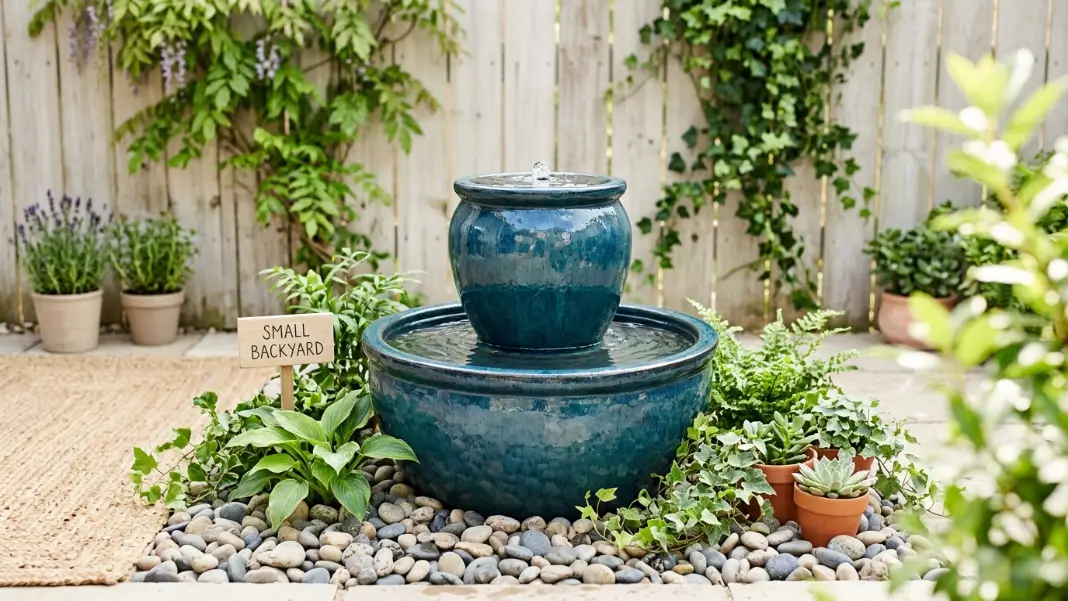
A large ceramic or terracotta pot with a small submersible pump fitted inside is the most popular DIY fountain project for good reason. It costs almost nothing, takes an afternoon to set up, and looks like something from a boutique garden center once it is running.
Fill the pot with water, drop the pump in, thread the tubing up through a drilled hole or over the rim, and cover the pump with river pebbles. Done.
2. Stacked Stone Fountain
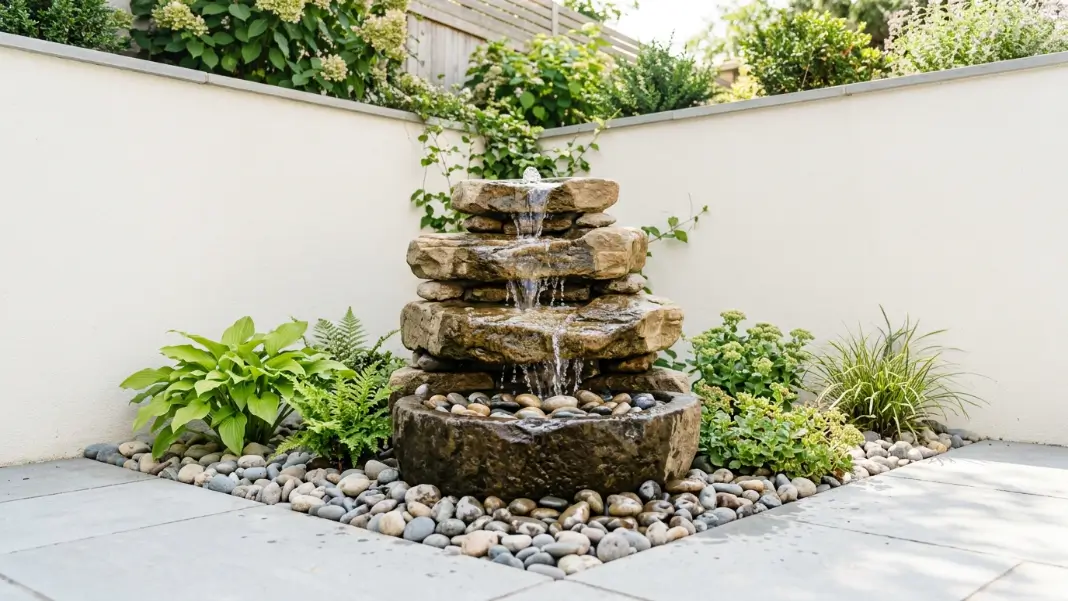
Three or four flat stones stacked with a pump hidden inside the base and water trickling down through small drilled holes creates a natural organic fountain that looks like it has always been part of the garden.
Source flat fieldstones from a garden center or a local creek bed. The irregularity of natural stone is what makes this design look genuine rather than manufactured.
3. Galvanized Trough Fountain
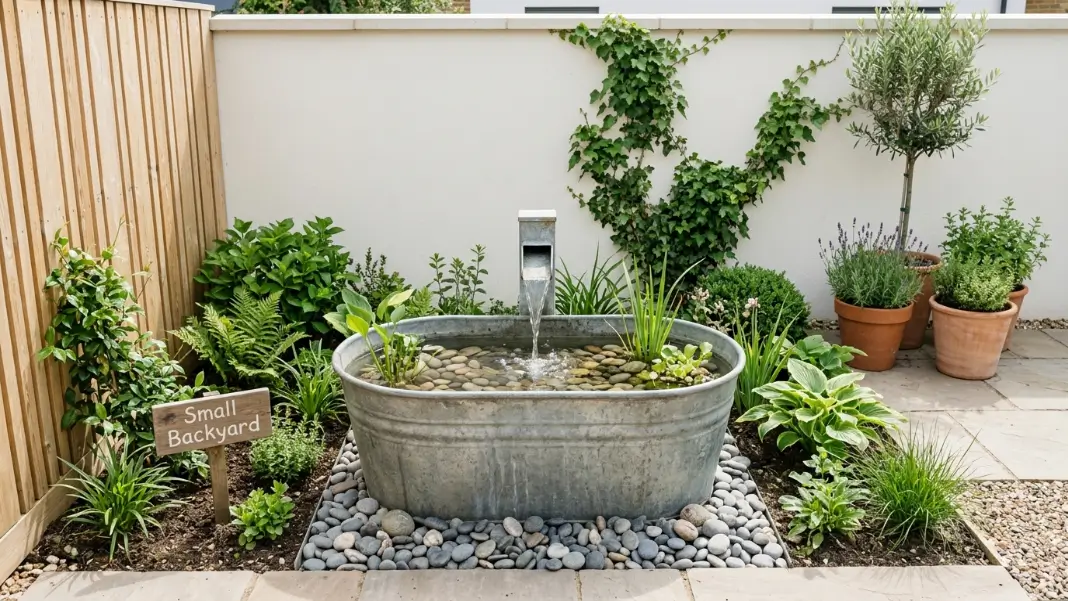
An old galvanized steel stock trough or a new one from a farm supply store makes an instant fountain basin that suits rustic, farmhouse, and industrial garden styles perfectly. Drop a pump and some aquatic plants inside and it is complete.
Galvanized troughs are inexpensive, widely available, and age beautifully outdoors. The weathered metal surface develops a natural patina that looks better every year without any maintenance beyond keeping the water topped up.
4. Repurposed Colander or Urn Fountain
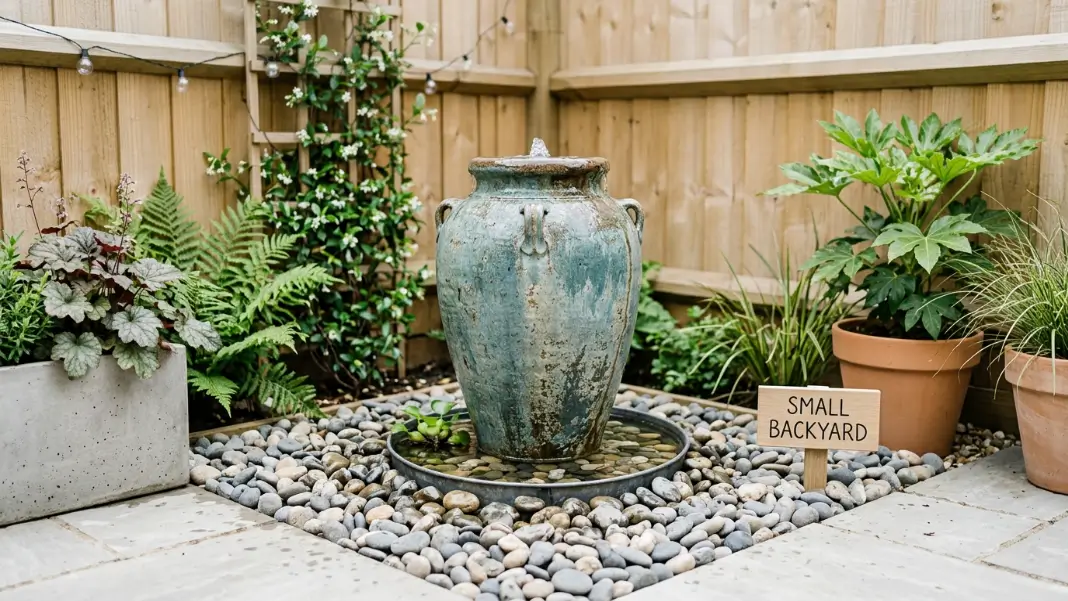
A vintage colander, an old urn, or any vessel with natural drainage holes can become a fountain with a pump positioned below it in a hidden basin. Water pumps up into the vessel and drips through the holes back into the basin creating a gentle rainfall effect.
Visit secondhand markets and salvage yards for interesting vessels that cost almost nothing. The more characterful and unusual the vessel the more interesting the finished fountain looks in the garden.
5. Millstone or Stepping Stone Fountain
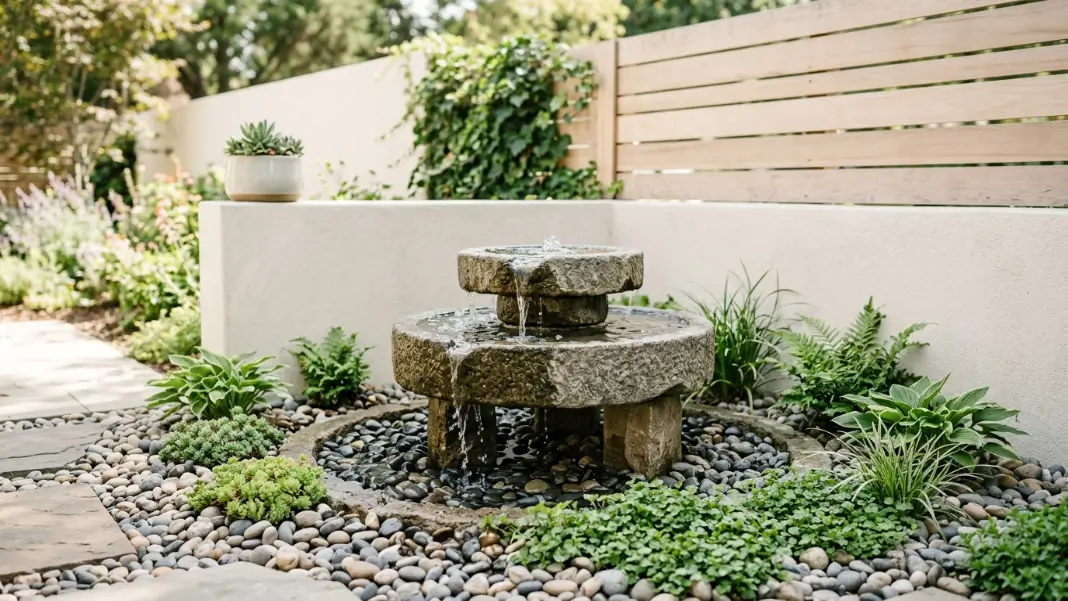
A single large flat stepping stone or a genuine millstone with a hole drilled through the center sits over a buried basin with a pump below. Water bubbles up through the central hole and flows across the stone surface back into the hidden reservoir below.
The beauty of this design is that no open water is visible which makes it safe for households with young children and pets. The stone surface stays wet and glistening which looks attractive even when the pump is switched off.
6. Bamboo Spout Fountain
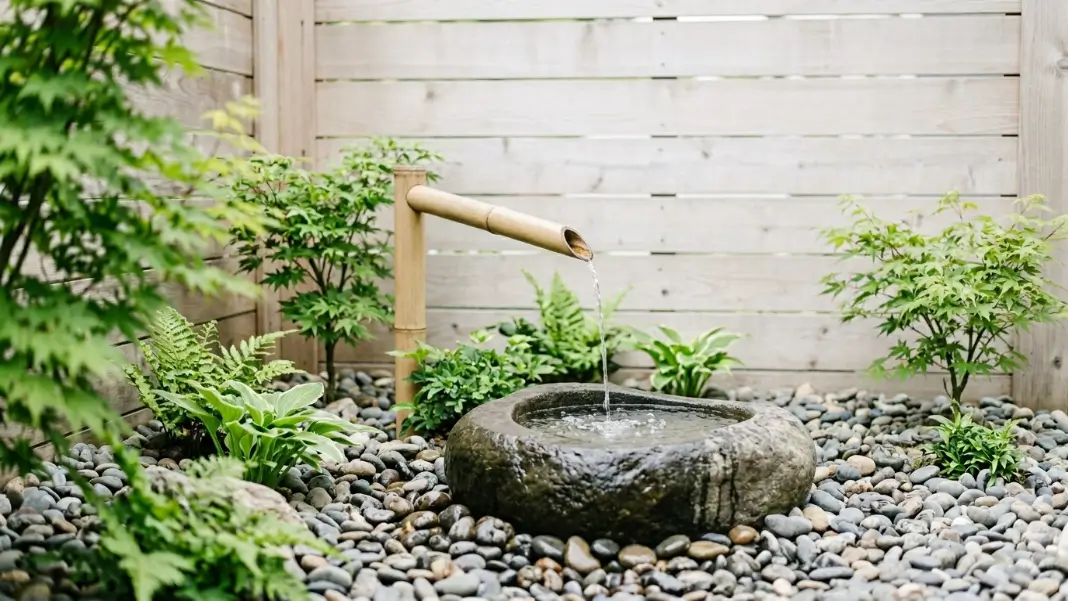
A length of bamboo cane angled over a small basin or pot creates a Japanese-inspired tsukubai style fountain that looks refined and architectural despite costing almost nothing in materials. Water pumps up through or beside the bamboo and pours from the cut end into the basin below.
Cut the bamboo at a 45 degree angle at the outlet end for a clean authentic look. The natural variation in bamboo color and texture gives this design a genuinely handcrafted quality that no manufactured fountain replicates at any price point.
7. Wall-Mounted Spout Fountain
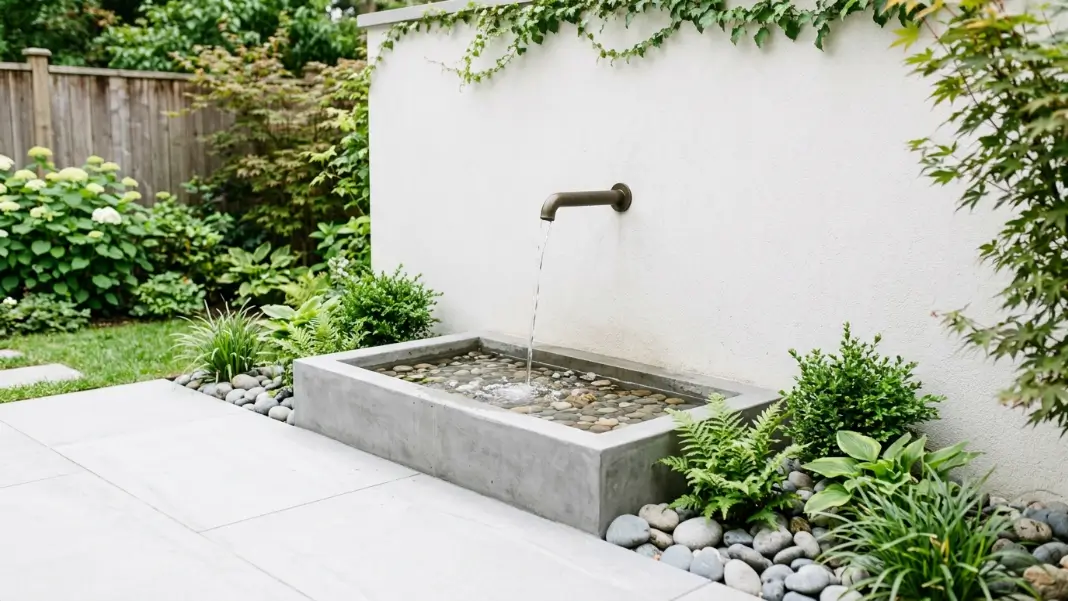
A simple copper or stainless steel spout mounted on a rendered garden wall or fence panel with a small basin below is one of the most elegant small area fountain designs available at a genuinely budget-friendly price. The spout itself costs very little from a plumbing supplier.
The wall mount eliminates the need for a large basin or visible pump housing. A small ceramic pot or stone trough below the spout catches the falling water and conceals the pump completely from any viewing angle.
Hide the pump power cable by running it through a length of garden hose buried just below the soil surface. It takes ten minutes and makes the finished fountain look completely professional with no visible wiring anywhere near the water feature.
8. Tiered Terracotta Pot Fountain
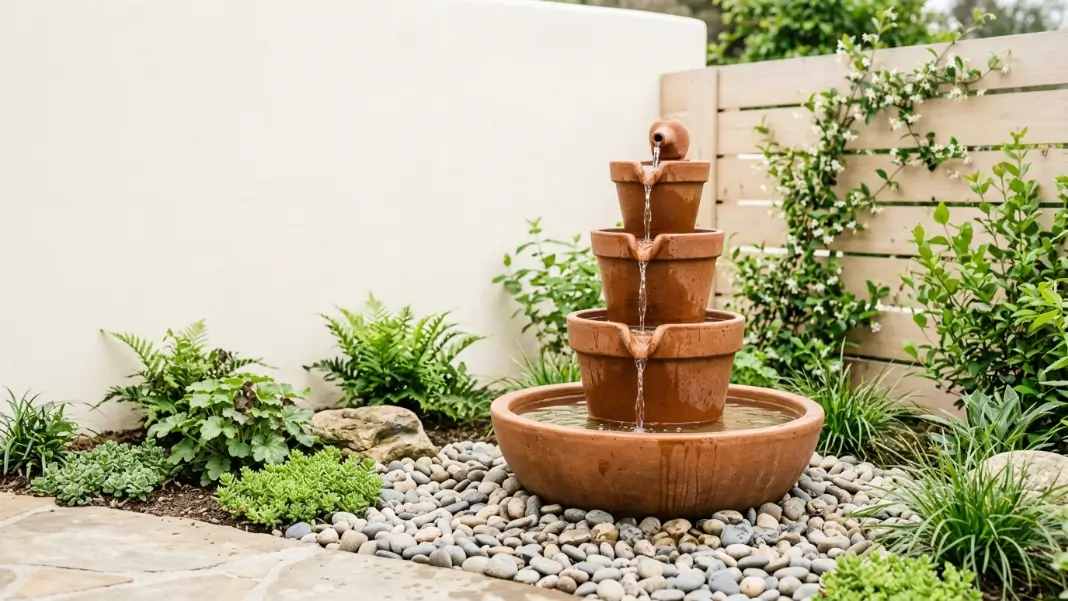
Three terracotta pots in descending sizes stacked on a central pipe with a pump at the base create a classic tiered fountain that costs a fraction of a purchased version. Water pumps to the top tier and cascades down through each level back into the base reservoir.
Use a threaded pipe and rubber washers between each pot to create a watertight connection at each tier. Seal the inside base of each pot with waterproof silicone sealant before assembly to prevent water loss through the terracotta walls.
9. Hypertufa or Concrete Bowl Fountain
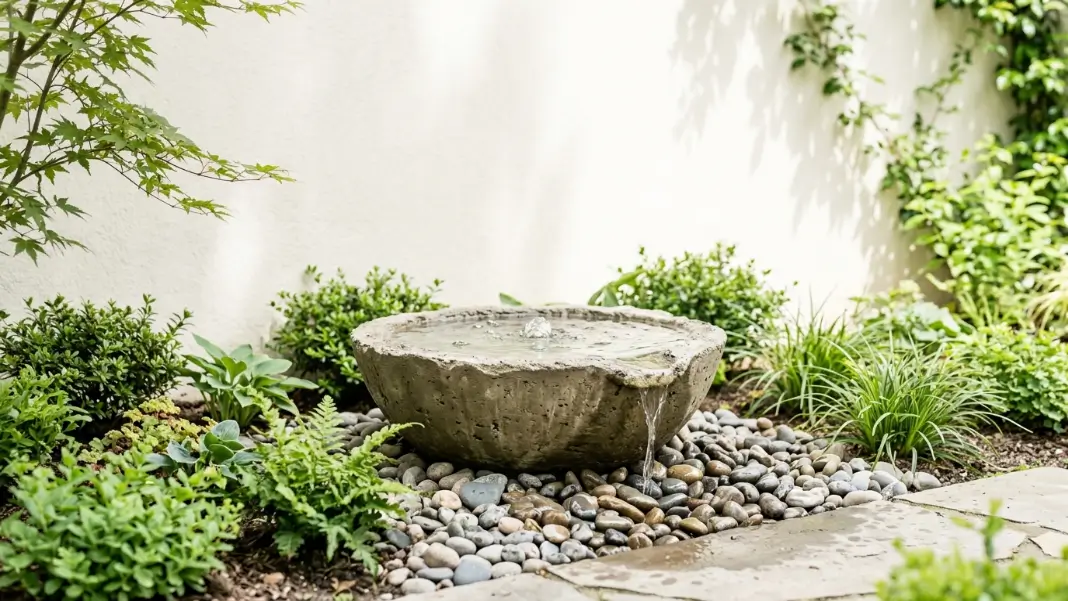
A handmade hypertufa or concrete bowl cast in a plastic basin mold creates a custom fountain vessel that looks like aged natural stone and costs almost nothing in materials. Hypertufa uses a mix of Portland cement, perlite, and peat moss that sets into a lightweight porous stone-like material.
The rough irregular surface of a handmade hypertufa bowl develops moss and lichen growth naturally over time in a shaded position which gives the fountain an aged garden quality that no purchased fountain achieves until years after installation.
10. Whiskey Barrel Fountain
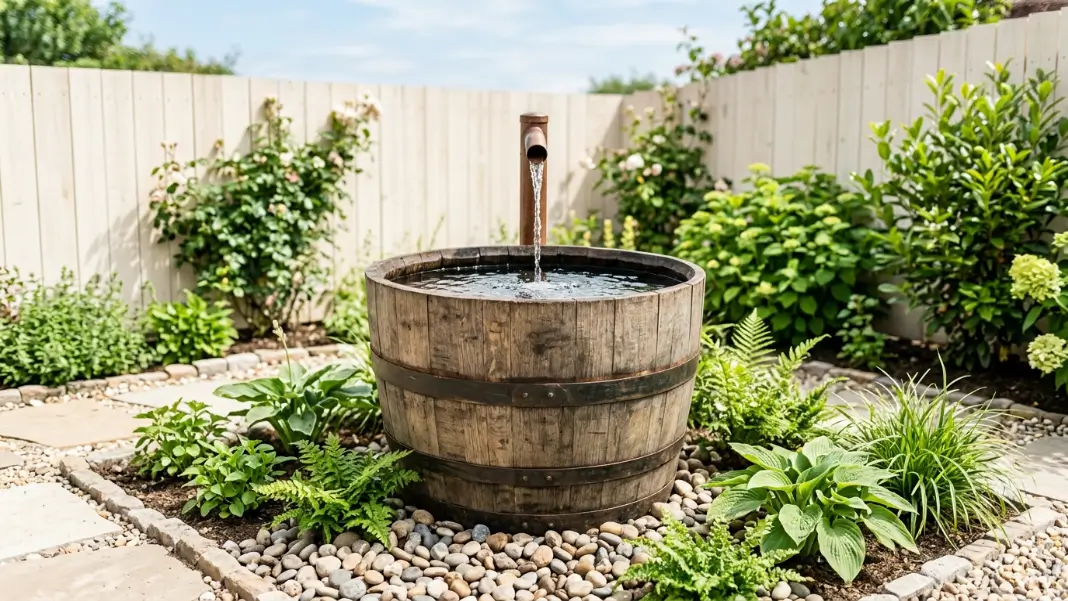
A half whiskey barrel from a garden center makes a generous self-contained fountain basin that suits rustic and cottage garden styles with a warmth and character that plastic and resin basins cannot match. Line the interior with a pond liner or seal with a waterproof timber sealant before filling.
The dark stained timber of a whiskey barrel looks particularly attractive with aquatic plants growing inside alongside the pump. Water hyacinth, dwarf papyrus, and floating water lettuce all thrive in a barrel fountain and add a lush living quality to the feature.
11. Reclaimed Sink or Basin Fountain
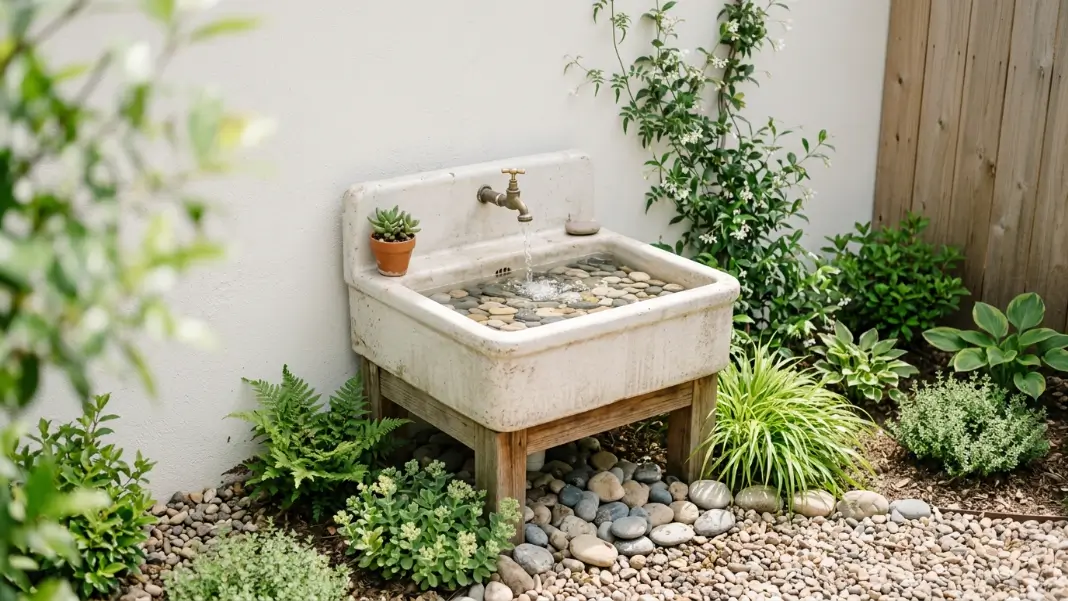
An old ceramic kitchen sink, a stone farmhouse sink, or a reclaimed cast iron basin mounted on a simple timber or brick base creates a characterful wall or freestanding fountain with a vintage quality that no new purchased fountain delivers at any price.
Source reclaimed sinks from architectural salvage yards, online secondhand platforms, or renovation waste skips. The worn enamel surface and period character of an old sink gives the fountain an authenticity and personality that makes it a genuine garden talking point.
12. Pebble and Hidden Basin Fountain
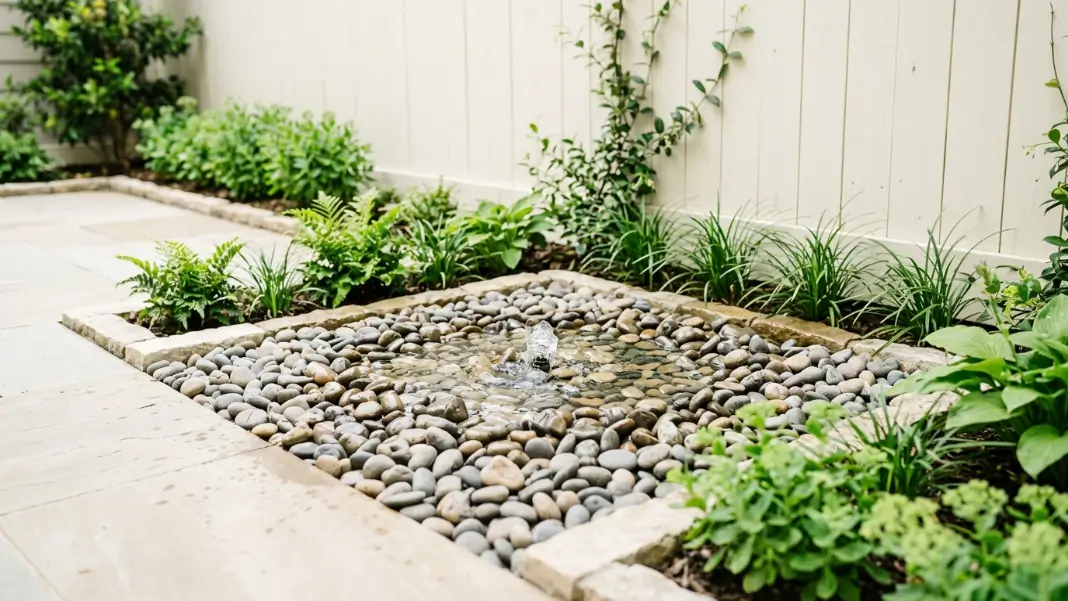
A shallow excavated basin lined with a pond liner and covered with a wire mesh frame topped with river pebbles creates an invisible fountain where only the water movement is visible as it bubbles up through the pebbles and disappears back into the hidden reservoir below.
This is the safest and most low-maintenance small fountain design available. There is no open water surface to maintain, no basin to clean out, and no risk of stagnation in a visible water container. The pebble surface looks attractive year round even when the pump is not running.
Add a few drops of fountain enzyme treatment to the water every two weeks. It prevents algae and mineral buildup on the pump and fountain surfaces without harming birds, insects, or pets that drink from the water feature.
13. Copper Pipe Spout Fountain
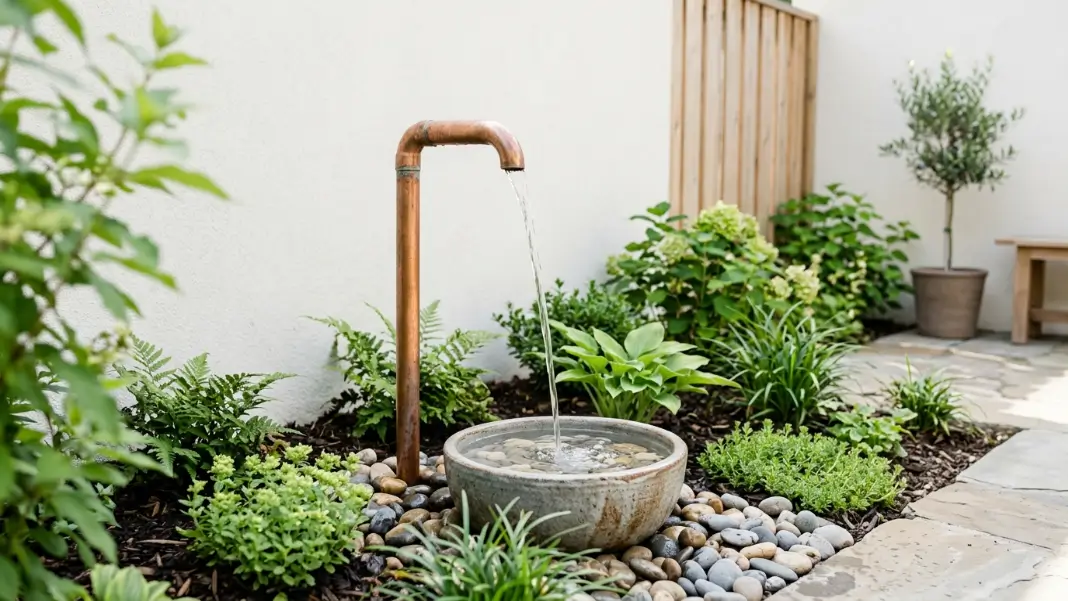
Bending copper pipe into a simple curved spout shape and mounting it above a small basin creates a fountain with a warm metallic quality that suits both contemporary and traditional garden styles. Copper pipe is inexpensive from any plumbing supplier and bends easily with a basic pipe bender tool.
Copper develops a natural blue-green patina outdoors over time that looks genuinely beautiful in a garden setting and requires no treatment or maintenance to achieve. The patina process accelerates near water which means a copper spout fountain develops its characteristic aged appearance faster than any other copper garden feature.
14. Stacked Terracotta Pipe Fountain
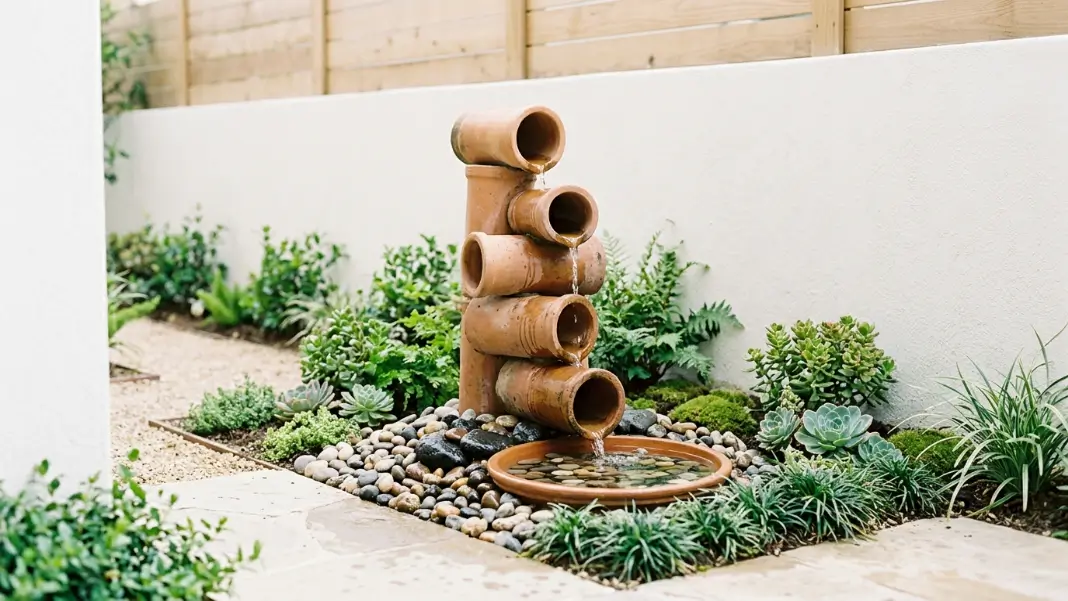
Sections of terracotta drainage pipe stacked vertically with a pump concealed inside the base and water bubbling from the open top creates a simple column fountain with a rustic Mediterranean character. The cylindrical form reads as architectural and deliberate despite the low material cost.
Stack pipe sections at slightly irregular angles rather than perfectly vertical for a more natural and relaxed appearance. Fill the gaps between sections with waterproof mortar or silicone sealant to direct all water flow upward through the center of the column.
15. Driftwood and Stone Fountain
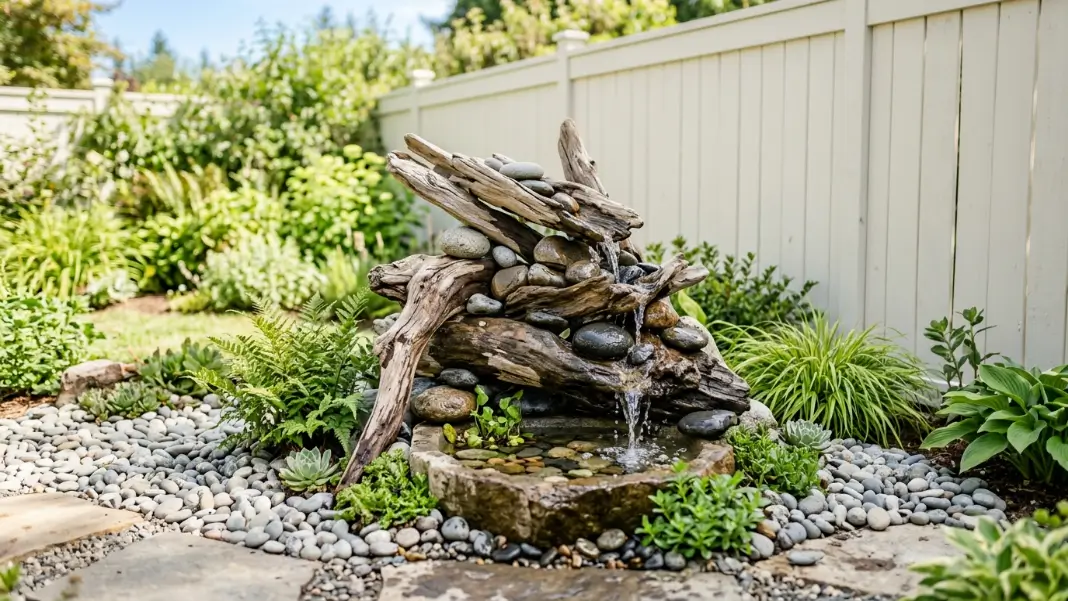
A large piece of weathered driftwood positioned beside or over a small pebble fountain basin creates a naturalistic water feature that looks like it belongs in a coastal or woodland garden setting. Water trickles along the driftwood surface and drips into the basin below creating a gentle irregular sound.
Source driftwood from beaches, riverbanks, or specialist garden suppliers. The irregular organic form of real driftwood gives this fountain a genuinely natural quality that carved timber and manufactured alternatives cannot replicate regardless of the craftsmanship involved.
16. Glass Bottle Fountain
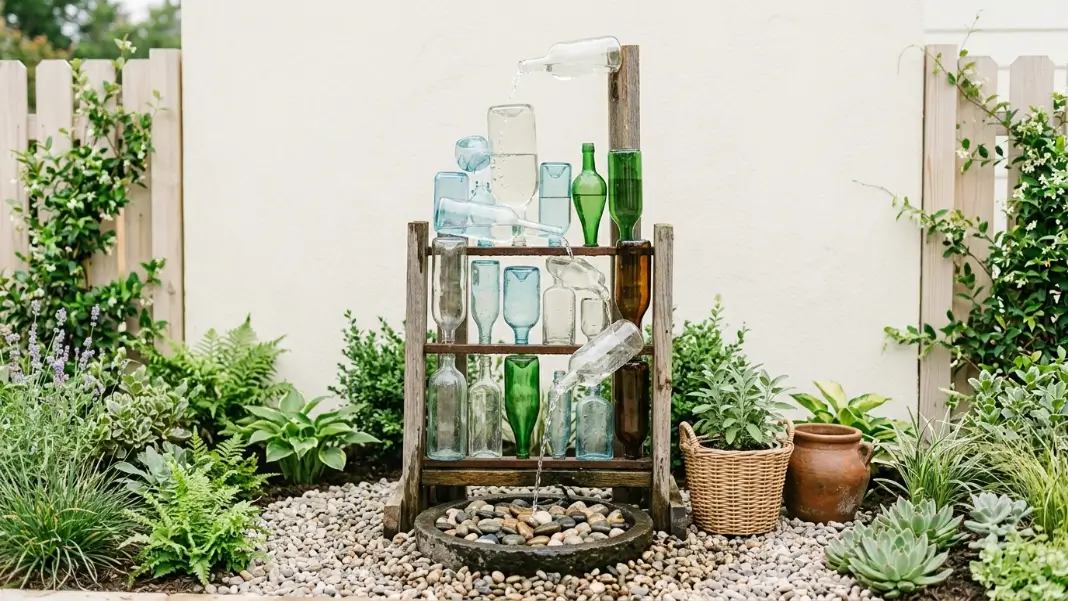
A collection of empty wine or gin bottles buried neck-down in a circular arrangement around a central pump creates a colorful and completely free fountain basin that catches light beautifully and looks like a deliberate artistic garden feature rather than a repurposed material project.
Use bottles in two or three complementary colors rather than mixing every color available. Green and clear bottles together create a fresh natural palette while blue and green bottles create a cool water-themed color combination that suits the fountain context particularly well.
Pro Tip: Always buy a pump rated for slightly more flow than you think you need. An underpowered pump struggles with any height or resistance in the fountain design and the sound of a straining pump is far less relaxing than the sound of water flowing freely through a correctly sized one.
Wrapping It All Up
Small area fountains on a budget are genuinely one of the most rewarding outdoor projects available because the effort is low, the cost is minimal, and the result changes how the outdoor space feels completely from the first day the pump is switched on.
Start with the simplest idea that suits the materials you already have access to and build from there. A ceramic pot fountain made this weekend will bring more daily enjoyment to a small garden than an expensive feature planned but never built.
Frequently Asked Questions
1. What is the cheapest fountain to build yourself?
A ceramic pot fountain with a small submersible pump costs as little as thirty to fifty dollars in total and can be built in a single afternoon without any specialist tools or skills.
2. How do I keep a small fountain clean on a budget?
Clean the pump filter every two to three weeks, top up the water regularly to prevent the pump running dry, and add a small amount of fountain enzyme treatment to prevent algae without chemicals that harm wildlife.
3. Do small fountains use a lot of electricity?
Small submersible pumps for compact fountains use between five and twenty watts which costs less than two dollars per month running continuously. Solar powered pump options eliminate the running cost entirely.
4. Can I build a fountain without any plumbing skills?
Yes. Every idea on this list uses a simple submersible pump that requires no plumbing connections. The pump sits in the water, plugs into a standard outdoor power outlet, and moves water through a basic tube without any pipe fitting or plumbing knowledge required.